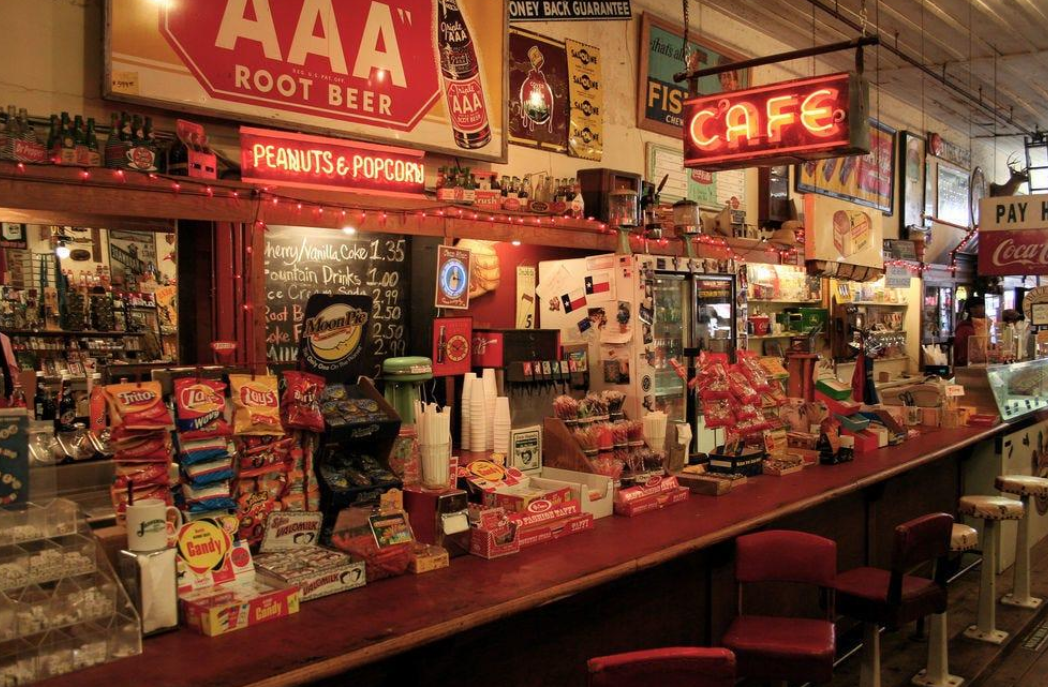
Imagine walking into a neighborhood store with just one dollar in your pocket and leaving with candy, a comic book, and enough change for another small treat. For many Americans growing up in the 1960s, everyday purchases often cost just a few cents. A movie ticket, a bottle of soda, or a quick lunch could fit comfortably within a modest allowance.
Today, that same dollar often disappears before you finish a single transaction. Grocery bills, entertainment, transportation, and school supplies have all changed in price over the decades. Looking back at the 1960s offers a fascinating glimpse into how shopping habits and the cost of everyday life have evolved.
But were things really as inexpensive as people remember? And how much would those familiar purchases cost now?
Let’s revisit 20 everyday items that Americans could buy for less than a dollar in the 1960s and compare their historical prices with illustrative modern prices. The differences may surprise you.
Note: Historical prices are approximate and varied by year, location, brand, and store. Modern prices are illustrative estimates rather than verified national averages. Actual prices depend on location, product size, and current market conditions.
1. Movie Tickets: About 35 Cents Then vs. $12.50 Today
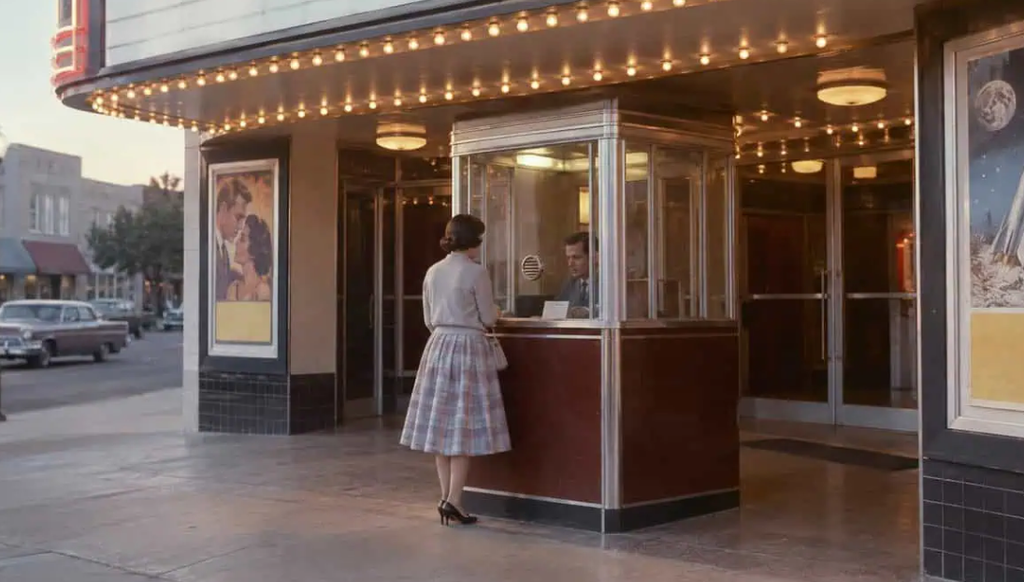
Going to the movies was a favorite weekend activity for many families in the 1960s. Children could enjoy a Saturday matinee, while teenagers met friends at their local cinema without needing a large entertainment budget.
A ticket might cost around 35 cents, depending on the theater and location. Some venues offered even cheaper screenings, making moviegoing accessible to a broad audience.
Today, a typical movie ticket can cost around $12.50 or more in many American theaters, although matinees and discount cinemas may charge less. Premium screens, reserved seating, and special formats can push prices considerably higher.
The experience has changed, too. Modern moviegoers often spend extra on popcorn, drinks, and online booking fees.
Then: Approximately $0.35
Today: Approximately $12.50
The big difference: A simple trip to the movies can now consume a much larger share of a person’s entertainment budget.
2. Gasoline: About 31 Cents per Gallon Then vs. $3.50 Today
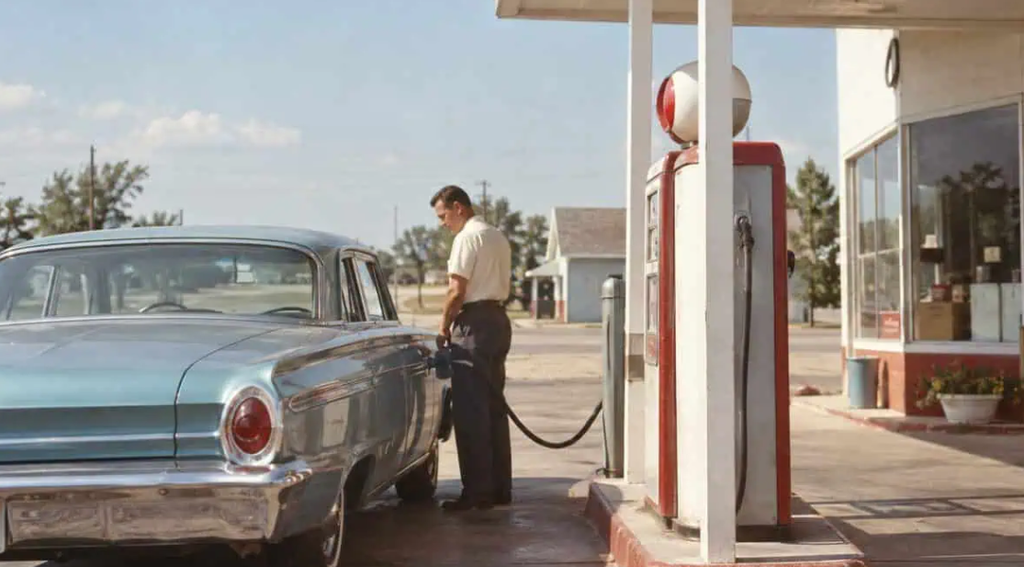
In the 1960s, gasoline was inexpensive by today’s nominal dollar prices. Drivers could pull into a service station, fill their tanks, and sometimes receive personal service from an attendant who checked the oil or cleaned the windshield.
A gallon of gasoline could cost around 31 cents, although prices differed across states and changed over time.
Today, gasoline prices fluctuate with crude oil costs, taxes, refining expenses, seasonal demand, and local market conditions. A price of $3.50 per gallon is a useful illustration, but actual prices may be significantly lower or higher.
Then: Approximately $0.31 per gallon
Today: Approximately $3.50 per gallon
The big difference: Fuel takes a much larger number of modern dollars to purchase, even though vehicle efficiency and the types of cars Americans drive have also changed.
3. A Loaf of Bread: About 20 Cents Then vs. $3.99 Today
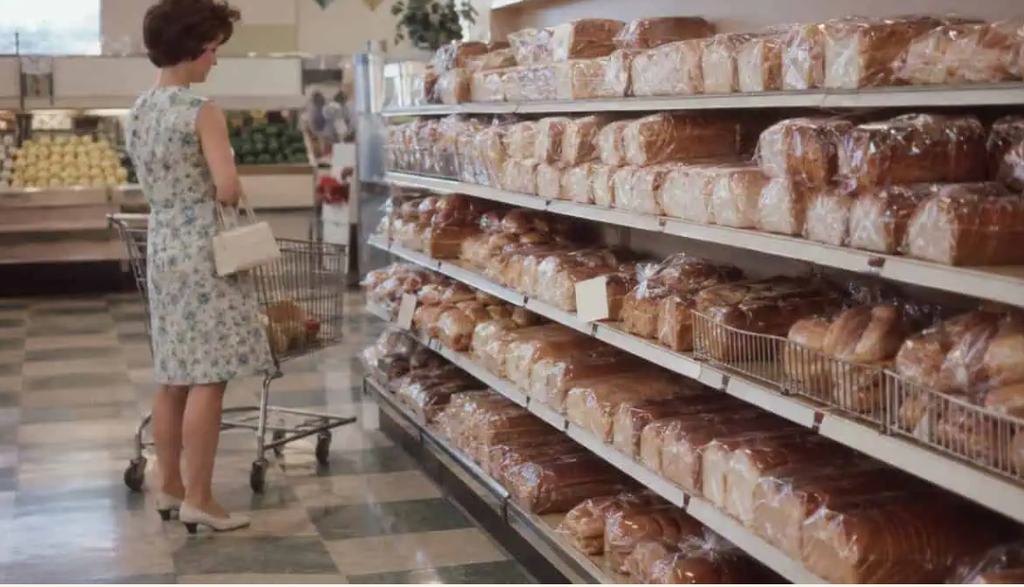
Bread was a household staple in the 1960s. Families used it for school lunches, breakfast toast, sandwiches, and quick evening meals.
A basic loaf of white bread could cost around 20 cents. Buying several loaves for a large family was considerably less expensive in nominal dollar terms than buying comparable products today.
Modern bread prices depend on the brand, ingredients, package size, and store. A basic loaf might cost around $3.99 in some locations, while store brands may be cheaper and specialty sourdough or artisan loaves may cost much more.
Then: Approximately $0.20 per loaf
Today: Approximately $3.99 per loaf
The big difference: Bread remains an everyday essential, but its price reflects decades of changes in production, transportation, labor, packaging, and ingredient costs.
4. Comic Books: About 12 Cents Then vs. $4.99 Today
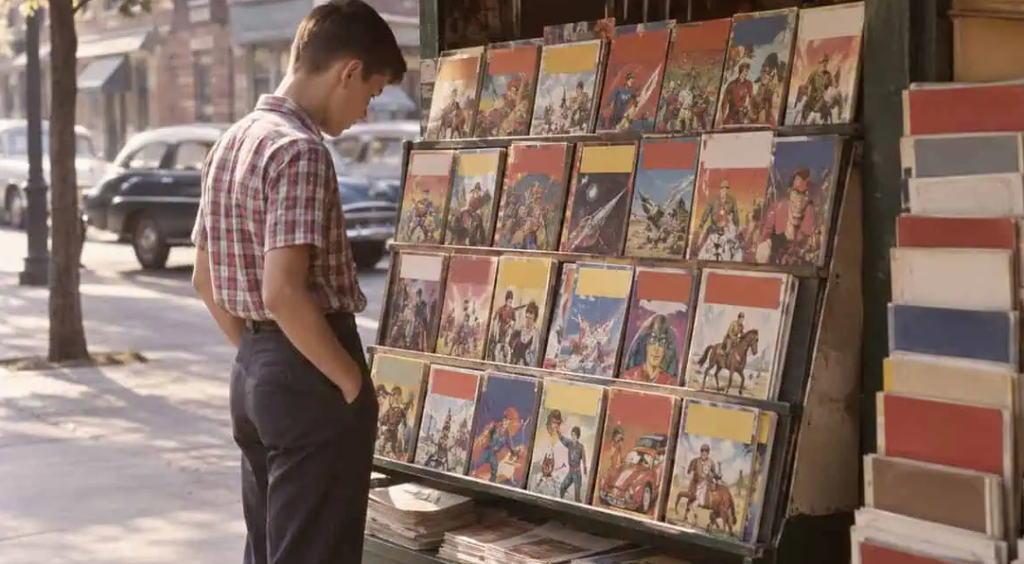
Comic books offered an affordable escape into worlds filled with superheroes, villains, mysteries, and imaginative adventures. Children could visit a corner store or newsstand and pick up an issue featuring Superman, Batman, or Spider-Man.
Many standard comic books sold for around 10 to 12 cents during portions of the 1960s, although prices changed throughout the decade.
Today, a regular comic issue might cost around $4.99, with premium editions, graphic novels, and collectible releases often costing more.
Then: Approximately $0.12 per issue
Today: Approximately $4.99 per issue
The big difference: Comic books remain popular, but production costs, distribution, publishing formats, and the collectible market have changed how readers buy them.
5. Candy Bars: About 5 Cents Then vs. $1.50 Today
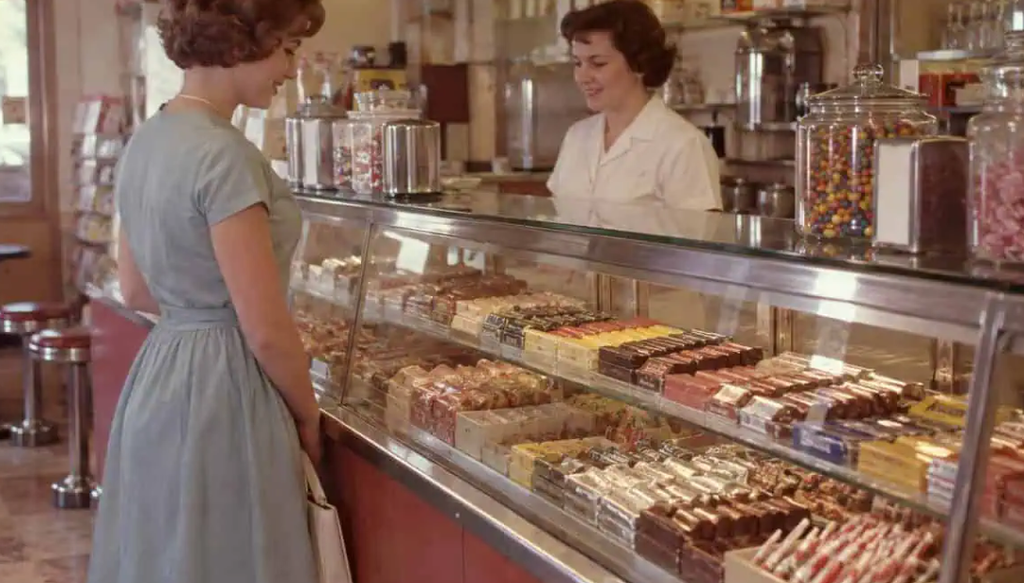
For children in the 1960s, a candy bar was one of life’s simplest pleasures. A nickel could buy a chocolate bar or another small sweet at many neighborhood stores.
With a dollar, a child might have been able to purchase 20 five-cent treats, although actual prices depended on the candy and retailer.
Today, a standard candy bar may cost around $1.50 at some stores, with larger packages, premium chocolate, and convenience-store purchases often costing more.
Then: Approximately $0.05 per candy bar
Today: Approximately $1.50 per candy bar
The big difference: A treat that once cost a few coins now requires considerably more money, and package sizes and product varieties have changed over time.
6. Hamburgers: About 25 Cents Then vs. $5.99 Today
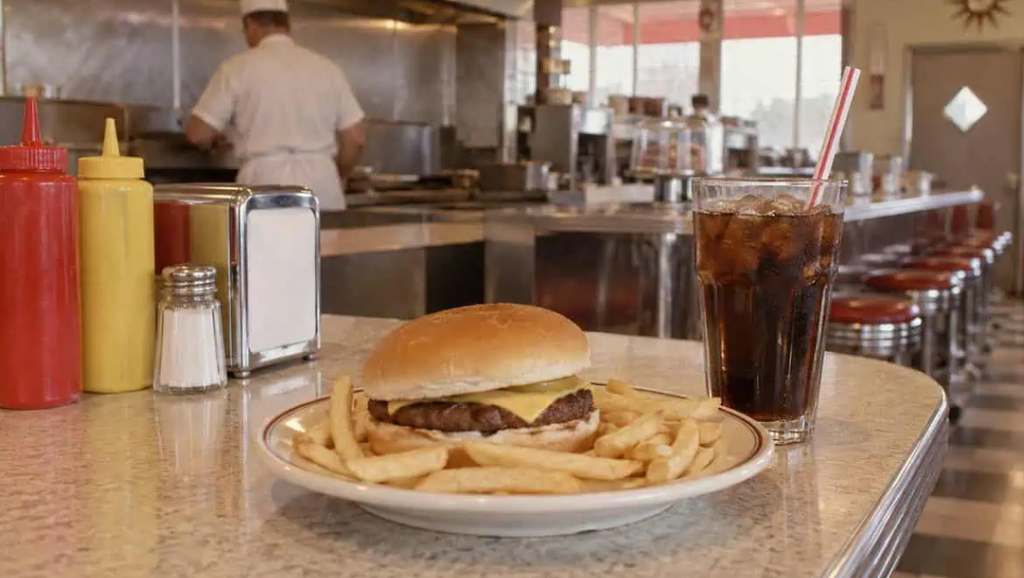
In the 1960s, diners, drive-ins, and fast-food restaurants offered inexpensive meals that appealed to families and travelers. A basic hamburger might cost around 25 cents at some establishments, while certain fast-food chains charged even less.
A simple burger was often just the beginning of a meal. Customers could add fries and a drink for a relatively modest amount.
Today, the price of a hamburger depends on the restaurant, portion size, ingredients, and location. A burger costing $5.99 is a reasonable illustration for some restaurants, while budget-menu items may cost less and restaurant burgers can exceed $12.
Then: Approximately $0.25 per hamburger
Today: Approximately $5.99 per hamburger
The big difference: A quick meal has become a more significant expense, particularly when an entire family orders food together.
7. Postage Stamps: About 5 Cents Then vs. 78 Cents Today
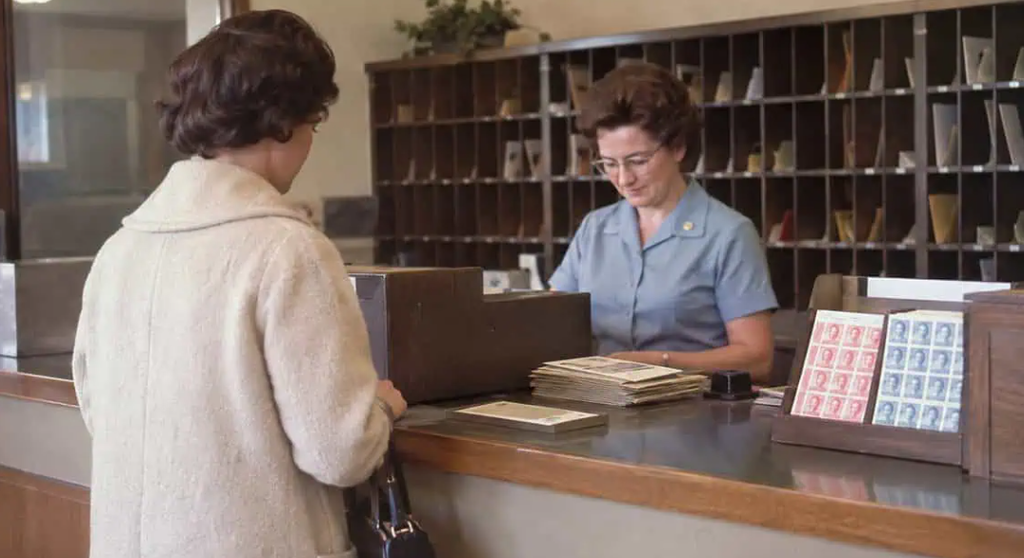
In the early 1960s, sending a standard first-class letter in the United States generally cost five cents. The rate increased to six cents in 1963 and seven cents in 1968.
Letters were an important way to maintain relationships with relatives, exchange news, and conduct everyday business. Long-distance telephone calls could be expensive, so written correspondence remained common.
Modern postage costs considerably more. As a reference point, the U.S. First-Class Mail Forever stamp rate rose to 78 cents in July 2025. Postal rates can change, so check the current official rate before publishing an updated comparison.
Then: $0.05 at the beginning of the decade
Today: $0.78 at the July 2025 rate
The big difference: Sending a physical letter now requires substantially more money than it did in the early 1960s.
8. Payphone Calls: About 10 Cents Then vs. Around $1 or More Today
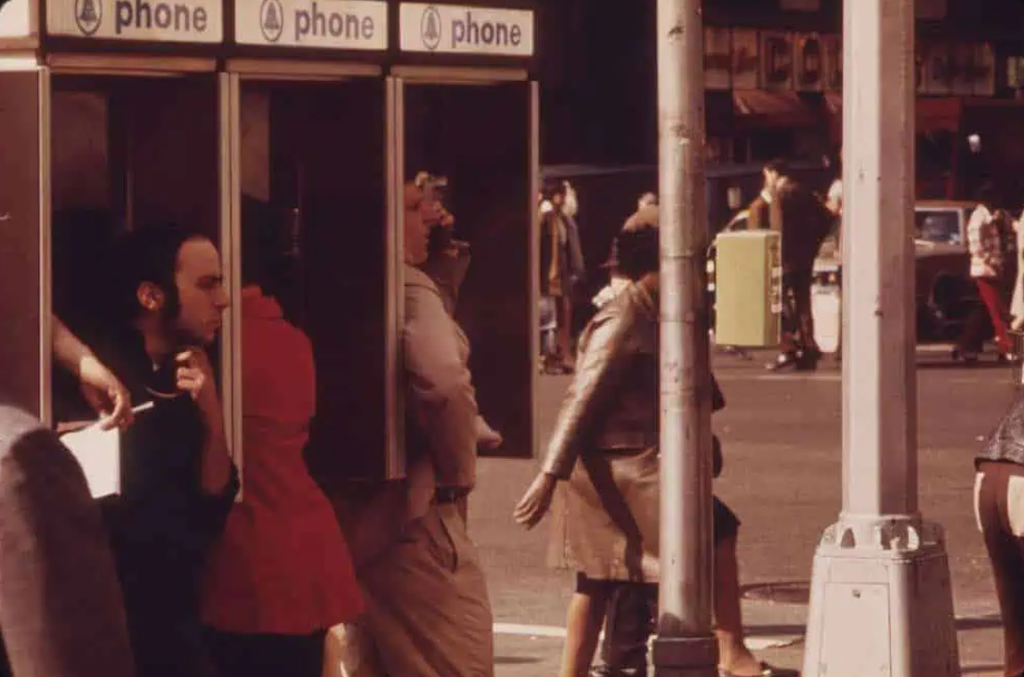
Payphones were a familiar sight outside stores, at bus stations, in shopping areas, and along busy streets. People used them to contact family members, arrange meetings, or call for assistance when they were away from home.
A dime could cover many local calls in the early 1960s, although charges varied by location and telephone company.
Today, payphones are much less common because mobile phones have transformed communication. Where public payphones remain available, fees and access arrangements vary.
Then: Approximately $0.10 for a local call in many places
Today: No single standard price; access may be limited, and charges vary
The big difference: The biggest change is not simply the cost of a call. It is the move from shared public telephones to personal mobile devices.
9. Diner Coffee: About 25 Cents Then vs. $3.50 Today
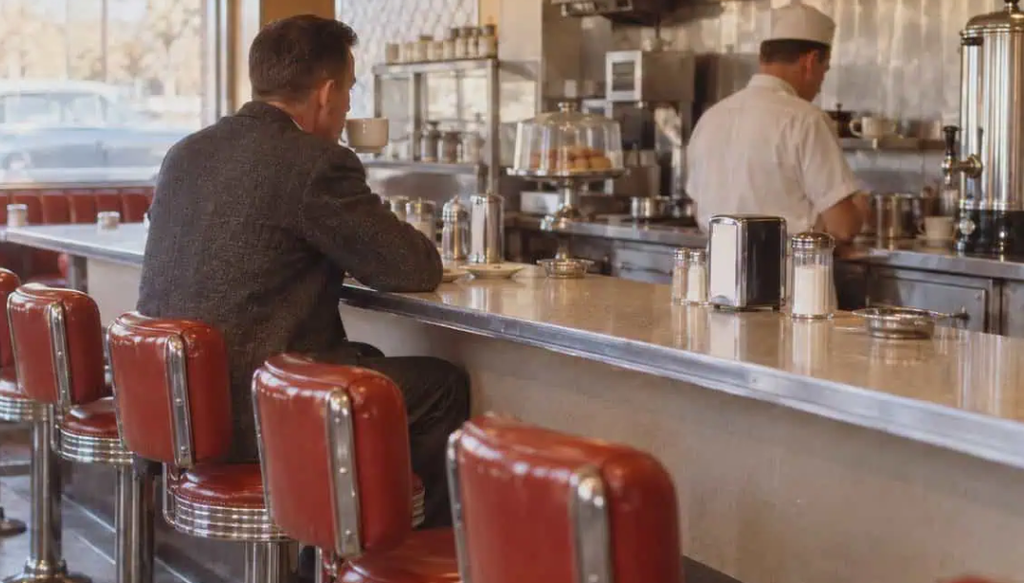
A cup of coffee at a neighborhood diner was a familiar part of American life. Workers stopped for a morning drink, friends gathered around counters, and travelers took breaks during long drives.
A basic cup might cost around 25 cents, depending on the establishment. Some diners also offered refills, making a simple coffee break an affordable routine.
Today, a regular cup of coffee may cost around $2 to $3.50 at some cafés, while specialty drinks can cost $5 or more.
Then: Approximately $0.25 per cup
Today: Approximately $3.50 per cup
The big difference: Coffee remains a daily ritual, but modern café culture includes a wider range of drinks, services, and price points.
10. Ice Cream Cones: About 15 Cents Then vs. $3.99 Today
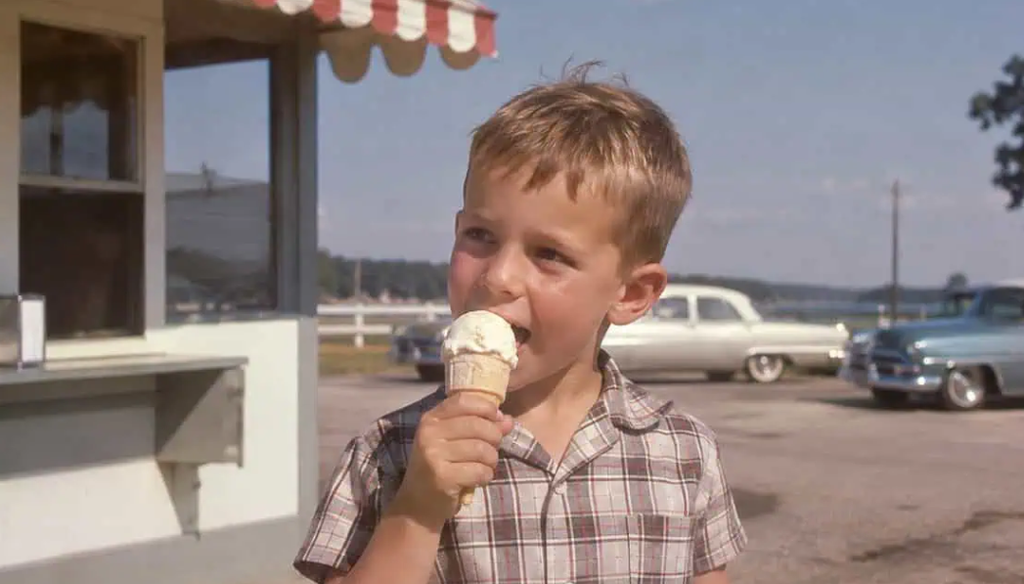
On a hot summer afternoon, children could visit an ice cream shop and enjoy a scoop in a cone for around 15 cents in many places.
Ice cream parlors, roadside stands, and neighborhood shops provided inexpensive treats that often became part of family traditions.
Today, a basic cone may cost around $3.99, depending on the shop and location. Premium flavors, extra scoops, toppings, and specialty desserts can push the price much higher.
Then: Approximately $0.15 per cone
Today: Approximately $3.99 per cone
The big difference: What was once a small impulse purchase may now require a little more planning, especially for families buying several cones.
11. Soda: About 10 Cents Then vs. $1.99 Today
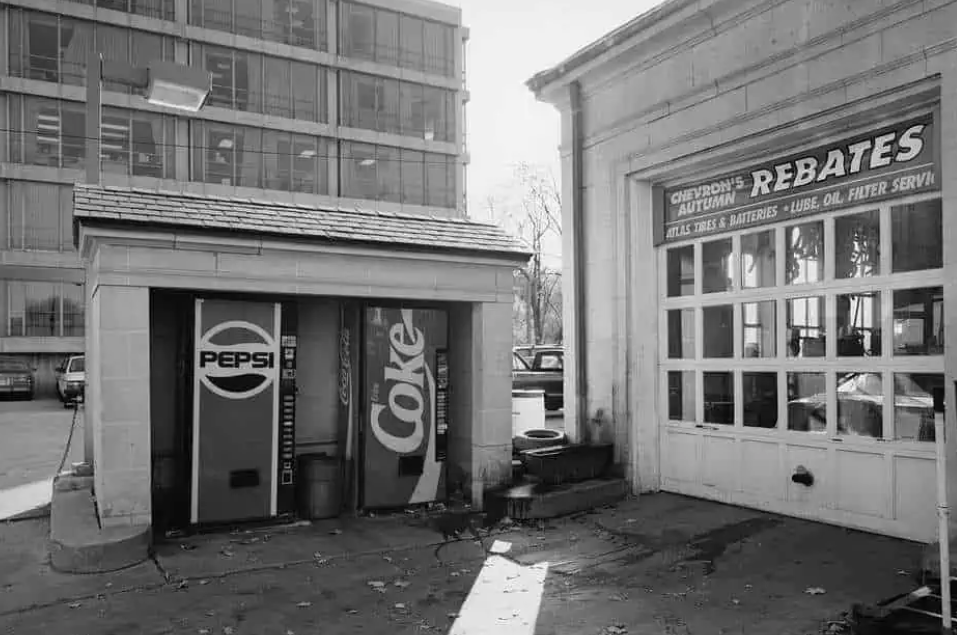
In the 1960s, a cold bottle of soda was an affordable refreshment. Some vending machines and corner stores sold individual bottles for around a dime, although container deposits and local pricing could affect the total.
Glass bottles were common, and some vending machines included built-in openers.
Today, a small fountain drink or bottled soda may cost around $1.99 in some settings. Convenience stores, restaurants, vending machines, and supermarkets all have different pricing structures.
Then: Approximately $0.10 per bottle
Today: Approximately $1.99 per serving
The big difference: Modern drink prices depend heavily on where you purchase them, and larger servings and specialty beverages have expanded the range of available options.
12. School Lunches: About 35 Cents Then vs. Around $3.50 Today
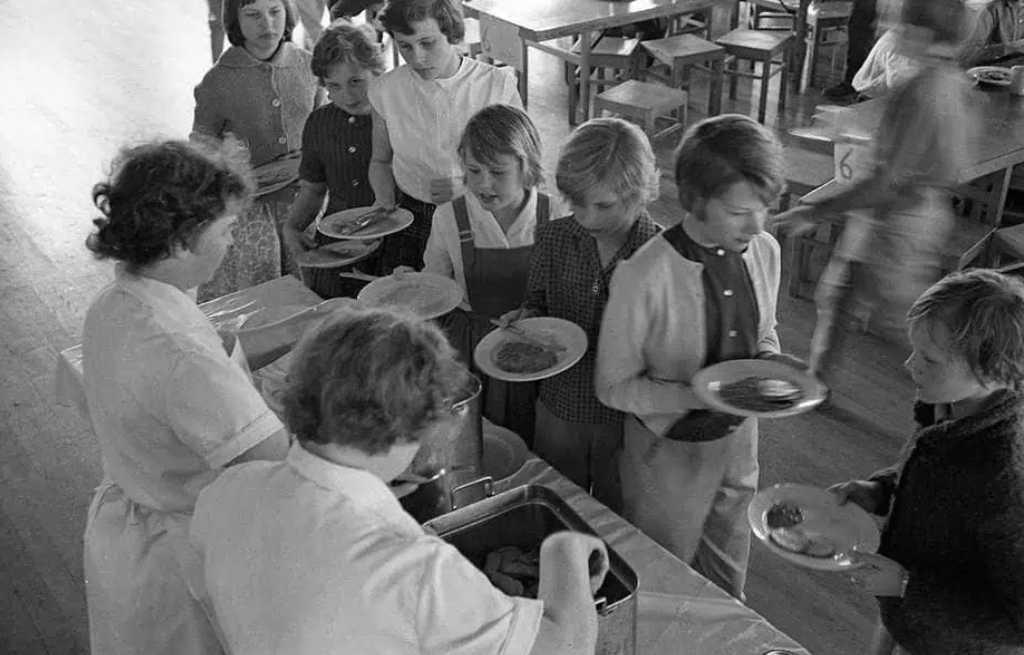
School lunches provided students with a hot meal during the school day. Depending on the district, children might receive a main course, vegetables, milk, and occasionally dessert.
In the 1960s, a student lunch could cost around 35 cents in some American schools, although local programs and eligibility rules made prices different from one community to another.
Today, school meal prices vary by district and student eligibility. A paid lunch might cost around $3.50 in some districts, while qualifying students may receive free meals through federal or local programs.
Then: Approximately $0.35 per lunch
Today: Approximately $3.50 per lunch in this illustration
The big difference: School meal costs depend on public funding, food prices, local budgets, and the programs available to families.
13. Baseballs: About 75 Cents Then vs. $5.99 Today
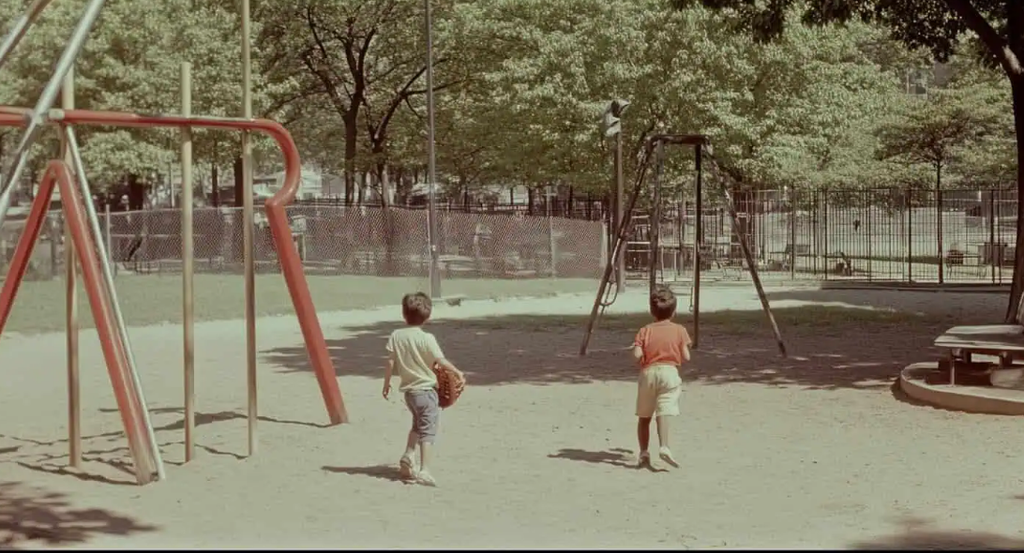
A baseball was an essential part of many childhood afternoons. Children played catch in backyards, organized neighborhood games, or gathered at local parks for informal matches.
A basic baseball could cost less than a dollar in the 1960s, making it an accessible piece of sporting equipment for many families.
Today, a practice baseball may cost around $5.99, while premium competition balls can cost considerably more.
Then: Approximately $0.75 per baseball
Today: Approximately $5.99 per baseball
The big difference: Even simple sports equipment reflects changes in materials, manufacturing, retail costs, and the distinction between recreational and professional-grade products.
14. School Notebooks: About 25 Cents Then vs. $3.99 Today

Back-to-school shopping was an annual ritual, and notebooks were among the most basic supplies. Students used them for spelling, mathematics, essays, and homework assignments.
A simple notebook could cost around 25 cents in the 1960s, although size, page count, and quality affected the price.
Today, a notebook may cost around $3.99 for certain brands or styles. Budget options and multipacks can be less expensive, while premium stationery can cost more.
Then: Approximately $0.25 per notebook
Today: Approximately $3.99 per notebook
The big difference: Families still need school supplies, but brand preferences, product features, and retail pricing influence the final bill.
15. Bus Fares: About 20 Cents Then vs. $2.75 Today
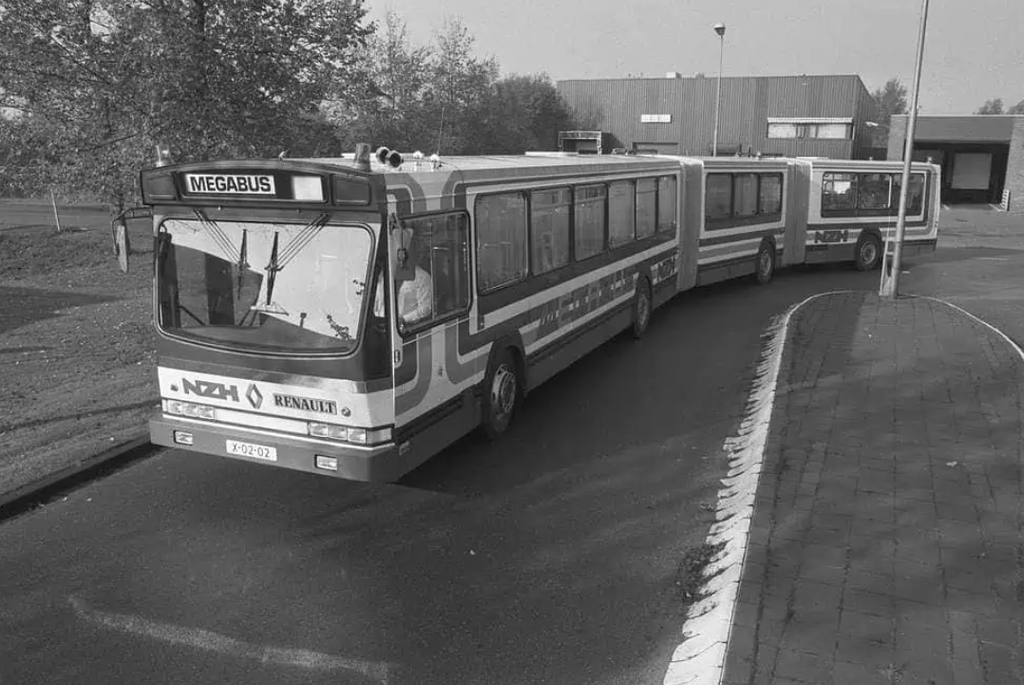
Public transportation was an important part of urban life in the 1960s. People relied on buses to reach workplaces, schools, shopping districts, and appointments.
A local ride could cost around 20 cents in some cities, although fares differed across transportation systems.
Today, a standard bus fare might be around $2.75 in a particular city or transit system, while other places charge less or more. Discounted passes and transfer arrangements can also affect the effective cost of a trip.
Then: Approximately $0.20 per ride
Today: Approximately $2.75 per ride
The big difference: Transit fares are shaped by operating expenses, public subsidies, local policy, and the type of service provided.
Why Did Prices Change So Much Between the 1960s and Today?
The difference between historical and modern prices is not simply about businesses charging more. Several long-term economic forces help explain why everyday goods cost more in nominal dollars.
Inflation and the Purchasing Power of Money
Inflation means that the general price level rises over time, reducing the purchasing power of a dollar. As prices increase, consumers generally need more dollars to purchase the same goods and services.
This is why a five-cent candy bar in the 1960s cannot be compared directly with a $1.50 candy bar today without considering the change in money’s purchasing power.
Wages and Household Budgets
Prices are only one part of the story. Earnings, employment patterns, household size, taxes, and spending priorities have also changed since the 1960s.
To understand whether something was truly more affordable in the past, it helps to compare its price with wages or household income, rather than looking only at the number printed on the price tag.
Technology and Manufacturing
Many products are now manufactured using different materials, technologies, and production methods. Some goods have become cheaper in inflation-adjusted terms, while others have become more expensive because of labor, materials, energy, or changing consumer expectations.
Transportation and Retail
Modern products may travel through complex global supply chains before reaching store shelves. Fuel, warehousing, distribution, packaging, and retail expenses can all influence final prices.
Changes in Consumer Habits
Some items have changed dramatically in the way they are sold and consumed. Coffee shops offer elaborate drinks, comic publishers release multiple editions, and sports-card companies sell premium products alongside basic packs.
As a result, comparing a modern product with its 1960s counterpart requires checking that the size, quality, and features are reasonably similar.
Was a Dollar Really Worth More in the 1960s?
Yes, in terms of purchasing power, a dollar generally bought considerably more everyday goods and services in the 1960s than it does today.
However, the exact comparison depends on the year. The purchasing power of a dollar in 1960 was different from that of a dollar in 1969, and inflation has not affected every category at the same rate.
For a reliable inflation-adjusted comparison, the U.S. Bureau of Labor Statistics provides a Consumer Price Index inflation calculator. It can help estimate how the general purchasing power of a historical amount compares with a more recent year.
Remember that the CPI measures changes in the prices of a broad basket of consumer goods and services. It does not mean every product’s price increased by exactly the same percentage.
Final Thoughts
Looking back at the 1960s reveals how dramatically everyday shopping has changed. A few coins could buy a comic book, a candy bar, a soda, or a simple meal. Today, the same items often require several dollars, and a family outing can quickly add up.
Yet the story is bigger than rising prices. The way Americans work, travel, communicate, shop, and spend their leisure time has changed alongside the economy. Payphones have largely disappeared, newspapers compete with digital news, and ordinary hobbies such as collecting baseball cards now include expensive premium products.
The next time you hear someone reminisce about the days when a dollar went a long way, remember that those memories reflect a different economic era. Comparing prices across generations is a useful way to understand inflation, changing lifestyles, and the value of money.
One dollar may look the same, but what it can buy tells a very different story.