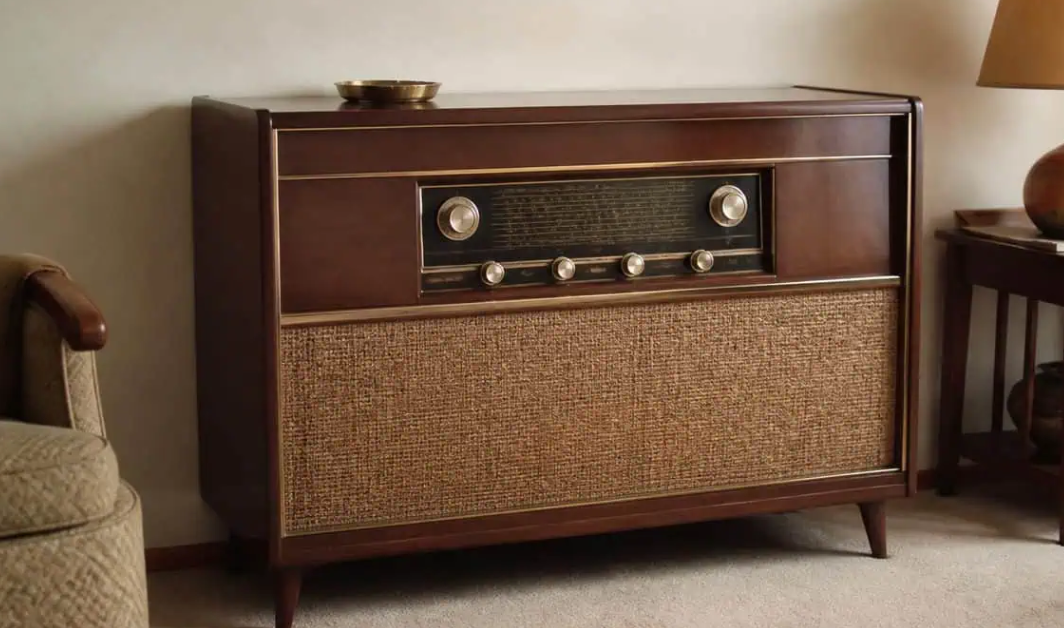
Have you ever looked around your parents’ house and wondered whether the old things tucked away in cupboards, attics, basements, or garages might be worth something? That dusty box of toys, forgotten kitchenware, vintage furniture, or stack of old records could contain more than sentimental memories. Some vintage collectibles have become highly desirable among collectors, and rare examples can sell for hundreds or even thousands of dollars.
The exciting part is that valuable antiques are not always displayed in glass cabinets. They may be hiding in everyday household items that families have owned for decades. However, age alone does not guarantee value. Brand, rarity, condition, authenticity, and collector demand all influence what an item might sell for.
Before clearing out your parents’ home, take a closer look at these 15 common household items. You might discover something worth researching before deciding what to keep, donate, or sell.
1. Vintage Pyrex Mixing Bowls
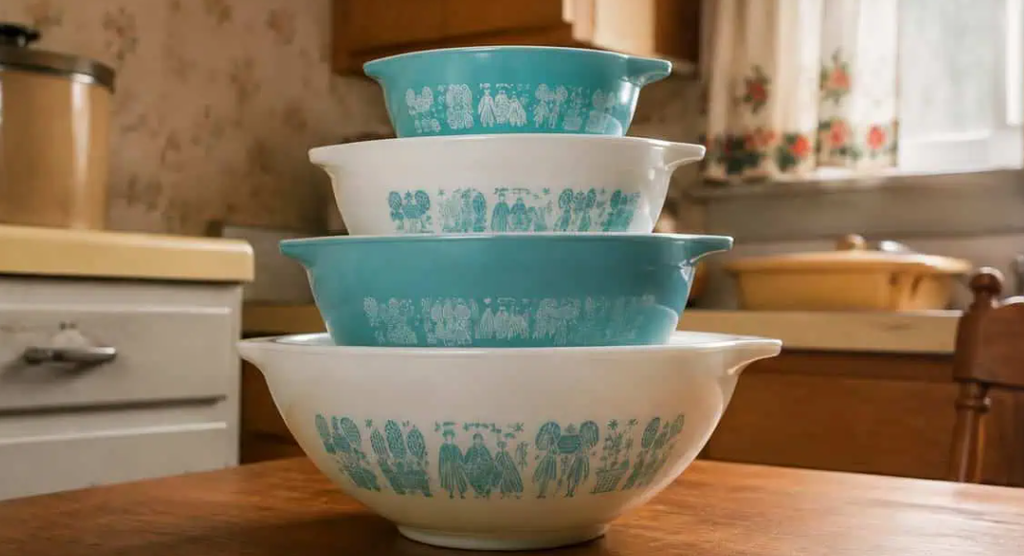
Vintage Pyrex mixing bowls are popular among collectors who appreciate colorful kitchenware and retro designs. Originally purchased for everyday cooking, these bowls have become decorative collectibles as interest in mid-century kitchen accessories has grown.
Certain patterns, limited-production designs, and complete matching sets can attract considerable attention. Colorful patterns such as Snowflake and the highly recognizable Lucky in Love design are examples collectors may investigate.
What makes them valuable?
- Rare patterns and unusual color combinations.
- Complete sets with matching pieces.
- Original labels or packaging, when available.
- Excellent condition without chips, cracks, or heavy wear.
Some rare examples can command hundreds of dollars, while exceptional pieces or sets may reach much higher prices. Check completed sales for the exact pattern rather than assuming every old Pyrex bowl is valuable.
2. Vintage Metal Lunch Boxes
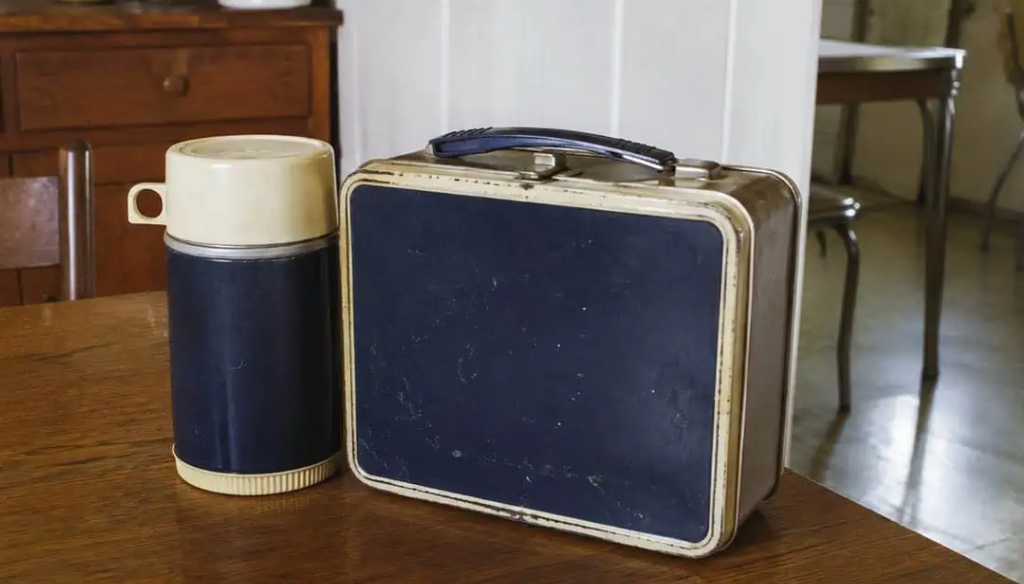
Remember the metal lunch boxes children carried to school decades ago? Those once-ordinary containers have developed a dedicated collector market, particularly when they feature popular television shows, cartoons, movies, or comic-book characters.
Lunch boxes from the 1950s and 1960s can be especially interesting to collectors. Examples featuring recognizable characters or scarce licensed artwork may be worth considerably more than generic designs.
What makes them valuable?
- Rare character artwork and early editions.
- Original thermoses and accessories.
- Bright graphics with minimal fading.
- Limited production runs and strong collector demand.
Some exceptional examples have sold for thousands of dollars. Before cleaning one, check whether the original paint and graphics are intact. Aggressive polishing can damage the finish and reduce its appeal.
3. Mid-Century Modern Furniture
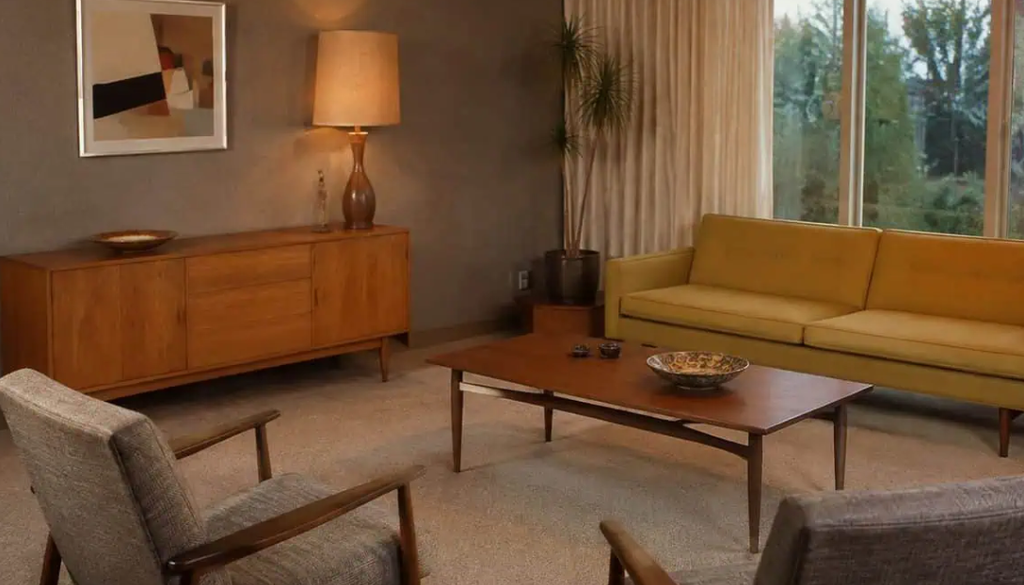
That old wooden cabinet, lounge chair, or living-room table your parents have owned for years might deserve a second look. Furniture produced during the mid-20th century remains popular with collectors, interior designers, and people furnishing modern homes.
Designs associated with manufacturers and designers such as Herman Miller, Charles and Ray Eames, and other recognized names can command premium prices.
What makes it valuable?
- Verified designer or manufacturer attribution.
- Original labels, stamps, or documentation.
- Desirable materials and distinctive construction.
- Original components and well-preserved condition.
Authentic designer pieces may sell for hundreds or thousands of dollars, depending on the model and condition. Unmarked furniture can also have value, but appearance alone is not enough to establish its origin.
Before selling a large piece, photograph its labels, joints, underside, and overall design. These details can help an expert identify it.
4. Vintage Cameras and Photography Equipment
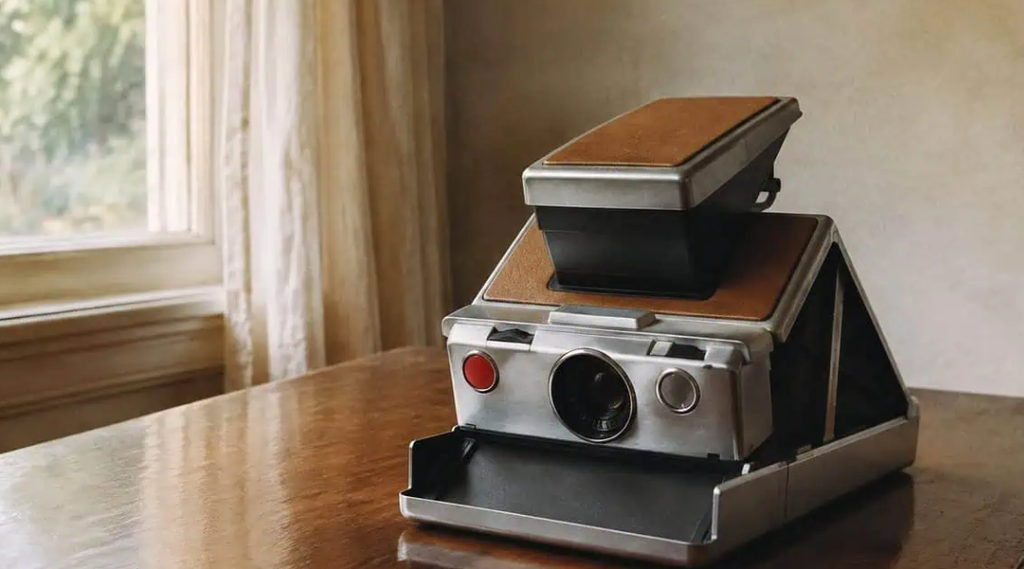
Old cameras often sit unused in drawers after families upgrade to newer technology. Yet some film cameras remain desirable because of their craftsmanship, historical significance, and reputation among photographers.
Brands such as Leica, Hasselblad, Nikon, and Polaroid have produced models that attract collectors. Certain rare cameras and professional equipment can be worth substantial amounts.
What makes them valuable?
- Rare or sought-after models.
- Original lenses and compatible accessories.
- Working mechanical and electronic components.
- Original cases, boxes, manuals, and documentation.
Some classic Polaroid SX-70 cameras sell for hundreds of dollars, although prices vary with condition and version. High-end collectible cameras can command much more.
Avoid testing a delicate camera with force or attempting repairs before understanding its value. Record the model number and check recent sales of the same version.
5. Vintage Comic Books
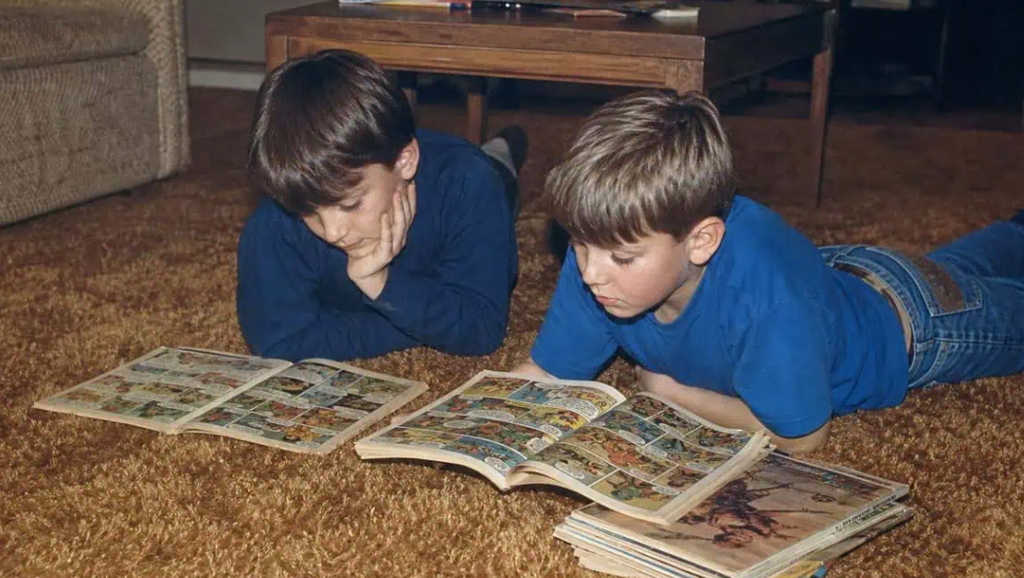
A stack of old comic books in a bedroom closet could be worth investigating, especially if the collection includes early superhero stories or important character appearances.
Comic books featuring early appearances of famous characters, popular storylines, or historically significant issues can attract strong collector interest. Condition is particularly important because damaged or heavily worn copies generally sell for less than comparable high-grade examples.
What makes them valuable?
- Early issues and key character appearances.
- First printings and identifiable editions.
- High-grade condition with clean, intact pages.
- Professional grading and verified authenticity.
Rare comics have sold for thousands of dollars and, in exceptional cases, much more. However, most ordinary comics are not worth a fortune.
Keep valuable issues away from direct sunlight, moisture, and rough handling. If you suspect a comic is rare, consult a reputable comic dealer or grading specialist before selling it.
6. Vintage Advertising Signs
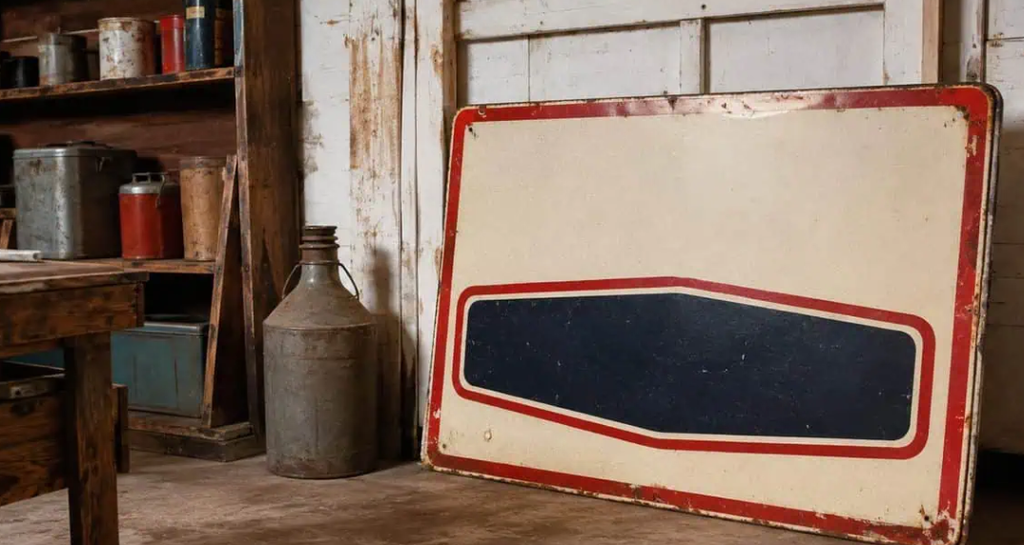
Old advertising signs once hung in gas stations, diners, grocery stores, workshops, and neighborhood stores. When businesses replaced them, some signs found their way into garages and storage rooms.
Today, collectors may seek signs advertising familiar soda brands, motor oil, automobiles, gasoline, and other products. Porcelain-enamel signs and original neon signs can be particularly desirable.
What makes them valuable?
- Authenticity and documented age.
- Recognizable brands and attractive graphics.
- Rare designs or unusual shapes.
- Original paint, enamel, or lighting components.
Exceptional original signs can sell for thousands of dollars, depending on rarity, size, and condition. Reproductions are also common, so look for manufacturer markings, construction details, and credible provenance.
Do not repaint or restore a potentially valuable sign before obtaining an appraisal. Original wear can be preferable to a modern finish.
7. Vintage Christmas Ornaments
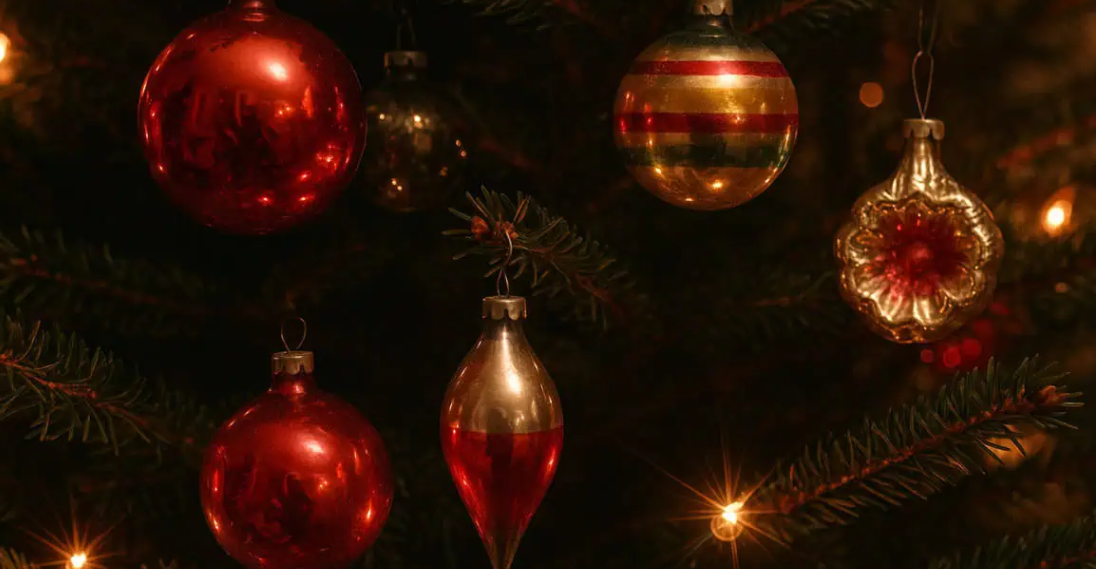
Holiday decorations often carry generations of family memories, which makes them easy to overlook when sorting through old boxes. Vintage glass ornaments, however, can appeal to collectors who appreciate traditional craftsmanship and seasonal history.
Some German-made glass ornaments, particularly unusual shapes and older designs, can be collectible. Mercury-glass decorations and certain complete sets may also attract interest.
What makes them valuable?
- Unusual shapes and scarce designs.
- Older handmade or hand-finished examples.
- Original packaging and matching sets.
- Minimal chips, cracks, or missing decorative details.
Rare ornaments may sell for substantially more than ordinary decorations, although values differ widely. A complete collection in good condition may be more appealing than a box of unrelated pieces.
Wrap fragile ornaments individually and store them in a dry, stable environment. Never discard their original boxes without checking whether collectors value them.
8. Antique Cast-Iron Cookware
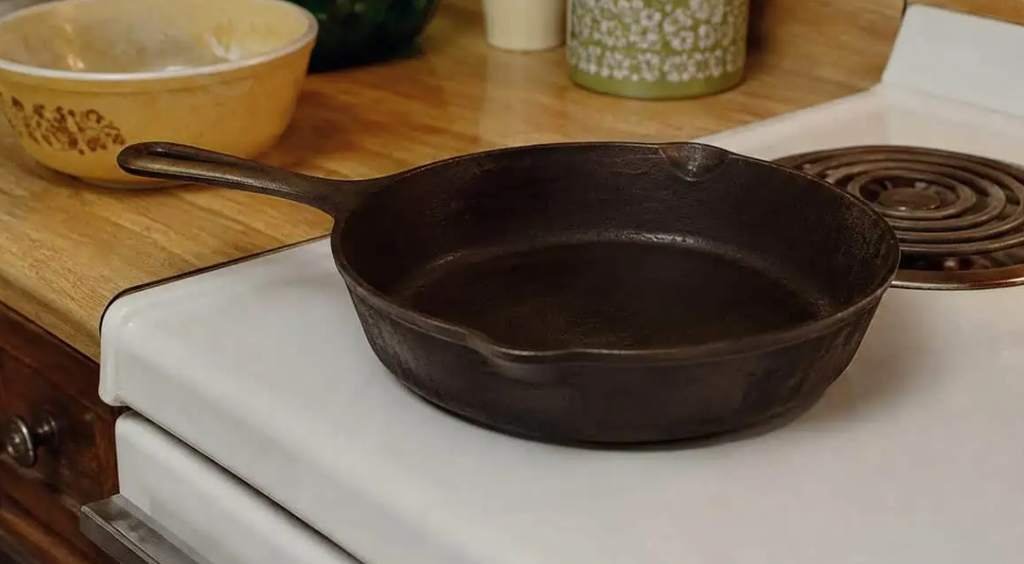
Heavy cast-iron skillets and cookware have remained useful for generations. Some older examples are also collectible, especially those made by well-known manufacturers before modern mass production became widespread.
Pieces associated with Griswold and Wagner are often of interest to collectors. Certain unusual designs, including specialized skillets, can attract particularly strong demand.
What makes them valuable?
- Recognized manufacturer markings.
- Rare sizes, patterns, or specialized designs.
- Original features and identifiable production details.
- Good structural condition without serious cracks or repairs.
Some scarce examples can sell for hundreds or even thousands of dollars. Nevertheless, an ordinary used skillet may be worth far less.
Look at the maker’s mark, handle design, size markings, and overall construction. Avoid stripping or refinishing an old pan before researching it, since originality may affect collector appeal.
9. First Edition Books
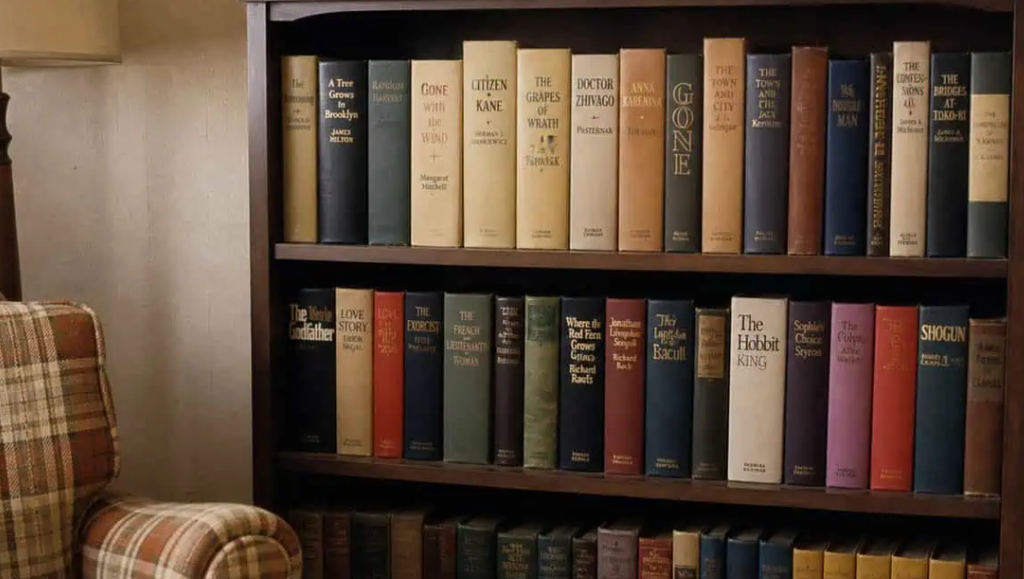
Old books can be more than family keepsakes. Certain first editions, signed copies, limited printings, and books with historical significance are highly sought after by collectors.
A book’s age alone does not determine its price. A common vintage paperback may have little resale value, while a scarce first edition of an important literary work can command a substantial premium.
What makes them valuable?
- A verified first edition and, where relevant, first printing.
- Author signatures or inscriptions.
- Original dust jackets in good condition.
- Limited print runs or significant publishing history.
Books such as To Kill a Mockingbird and Breakfast at Tiffany’s have collectible editions, but not every copy is worth thousands. The specific printing, condition, and presence of an original dust jacket matter greatly.
Check the copyright page and publisher information before making assumptions. A specialist bookseller can help identify editions that are difficult to distinguish by appearance alone.
10. Vintage Vinyl Records
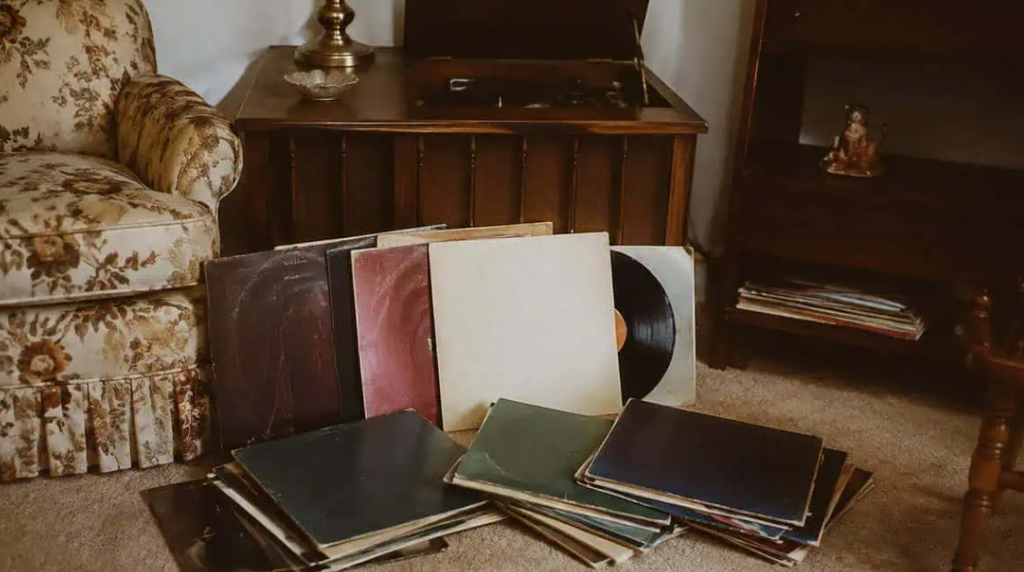
Old vinyl records often remain stored in cabinets long after a family has switched to digital music. Some recordings, particularly rare pressings and early releases by famous artists, can still attract serious collectors.
Records by The Beatles and other influential musicians may be worth investigating, especially when they feature unusual labels, limited regional releases, or identifiable pressing variations.
What makes them valuable?
- Rare original pressings.
- Misprints or distinctive label variations.
- Excellent record and sleeve condition.
- Complete original packaging and inserts.
A desirable record in excellent condition may sell for hundreds of dollars, while rare examples can fetch more. However, a popular album is not automatically a valuable collectible.
Check the catalog number, label design, matrix or runout markings, and country of manufacture. Store records vertically and avoid cleaning them with household chemicals.
11. Vintage Barbie Dolls
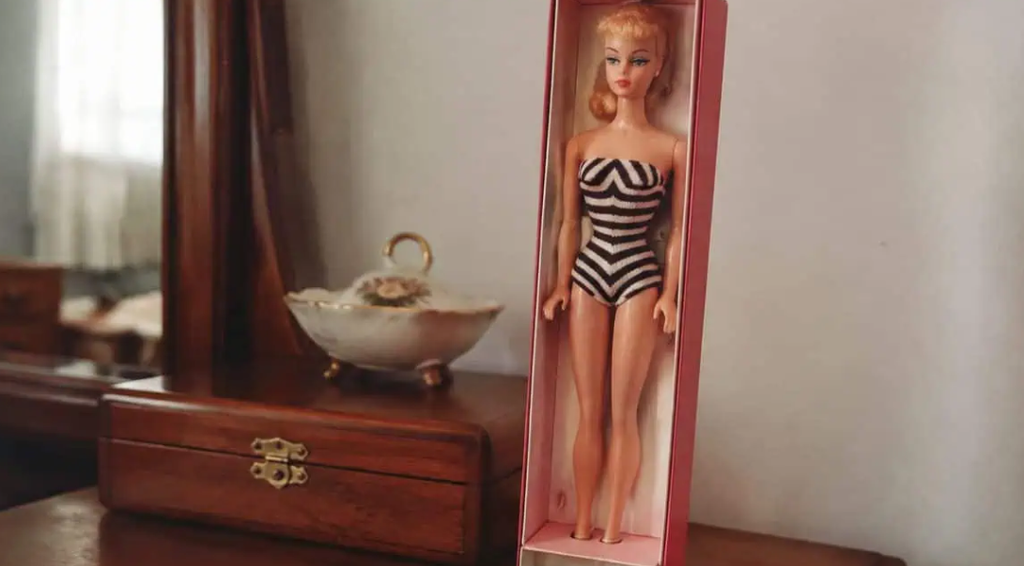
Vintage Barbie dolls can be especially appealing to collectors who remember the toys from childhood. The earliest dolls, including the original Barbie introduced in 1959, have a particularly important place in toy history.
Some examples are worth much more than others, and the difference often comes down to condition, rarity, and whether the original accessories remain intact.
What makes them valuable?
- Early production dates and identifiable models.
- Original outfits, shoes, accessories, and packaging.
- Excellent condition and unaltered features.
- Rare variations and documented provenance.
Exceptional early Barbie dolls have sold for thousands or even tens of thousands of dollars. But a later mass-produced doll may be worth considerably less.
If you find one in its original box, resist the temptation to remove it or replace missing accessories. Photograph the doll, packaging, and markings, then compare it with verified examples.
12. Vintage Watches
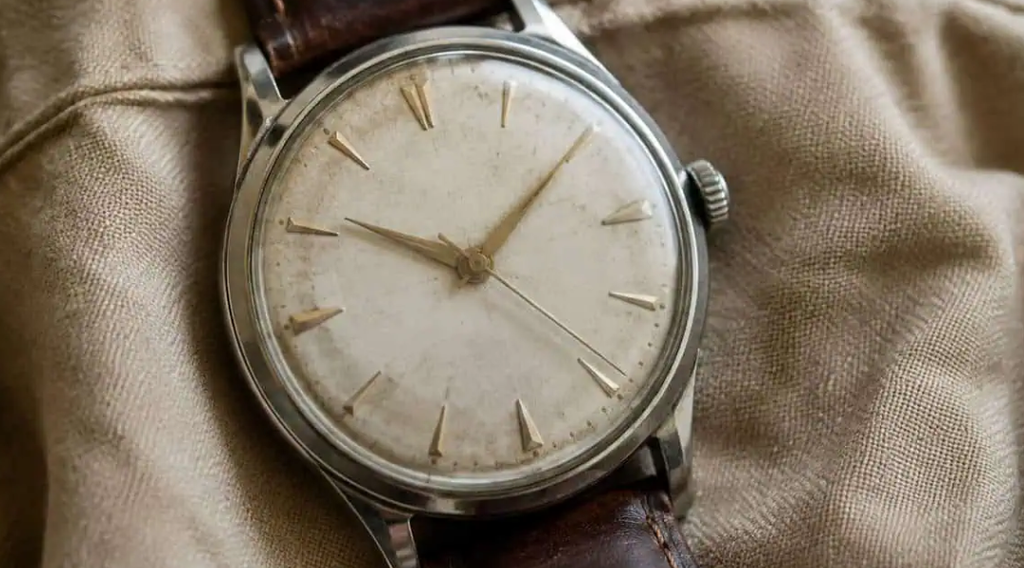
An old watch inherited from a parent or grandparent could be one of the more valuable items in the house. Mechanical watches from established manufacturers can attract collectors because of their design, engineering, history, and scarcity.
Brands such as Rolex, Omega, and Hamilton have produced many collectible models. Certain military-issued watches and unusual vintage references can also command strong prices.
What makes them valuable?
- Manufacturer, model, and reference number.
- Original movement and identifiable components.
- Rare dial variations or historically significant features.
- Authenticity, service history, and overall condition.
Some vintage watches are worth hundreds of dollars, while sought-after examples can sell for thousands or substantially more.
Do not assume a watch is authentic based on its logo alone. Counterfeits and watches assembled from mismatched parts exist. A qualified watchmaker or specialist can inspect its movement and originality.
13. Vintage Ceramic Cookie Jars
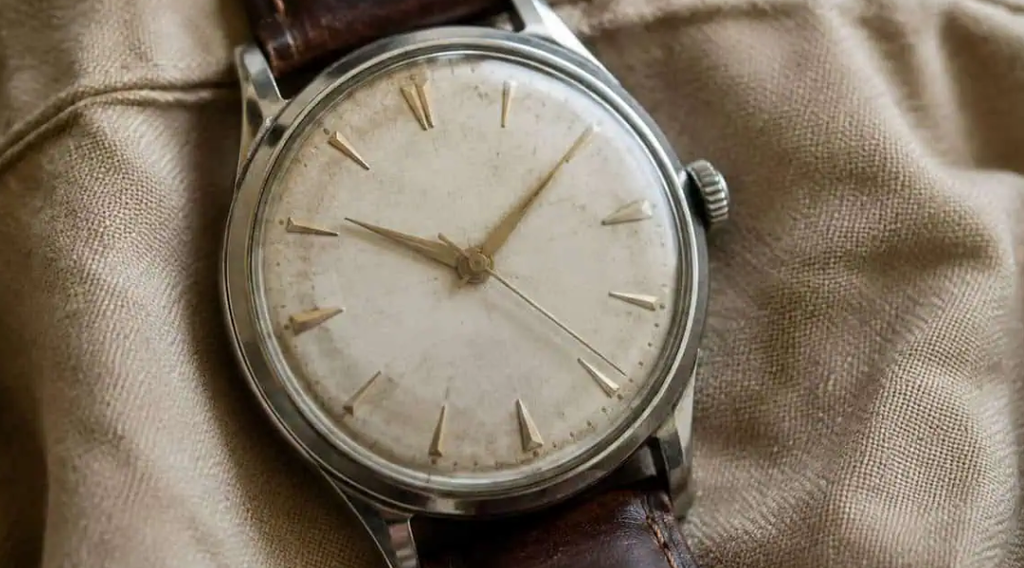
Decorative cookie jars were once common kitchen accessories, and many families still have them tucked away on shelves or in cupboards. Collectors may look for distinctive character designs, unusual shapes, and pieces produced by recognized pottery manufacturers.
American Bisque and McCoy are among the names collectors may encounter when researching older cookie jars.
What makes them valuable?
- Identifiable maker’s marks.
- Rare character designs and production variations.
- Original lids and matching components.
- Minimal chips, cracks, or repairs.
Some scarce examples have achieved high auction prices, but condition and authenticity make a significant difference. A missing lid or repaired handle can reduce a jar’s desirability.
Check the base for markings and photograph the entire jar, including its lid and any unusual details. Avoid assuming that every character jar is an antique or a rare production piece.
14. Vintage Fishing Lures
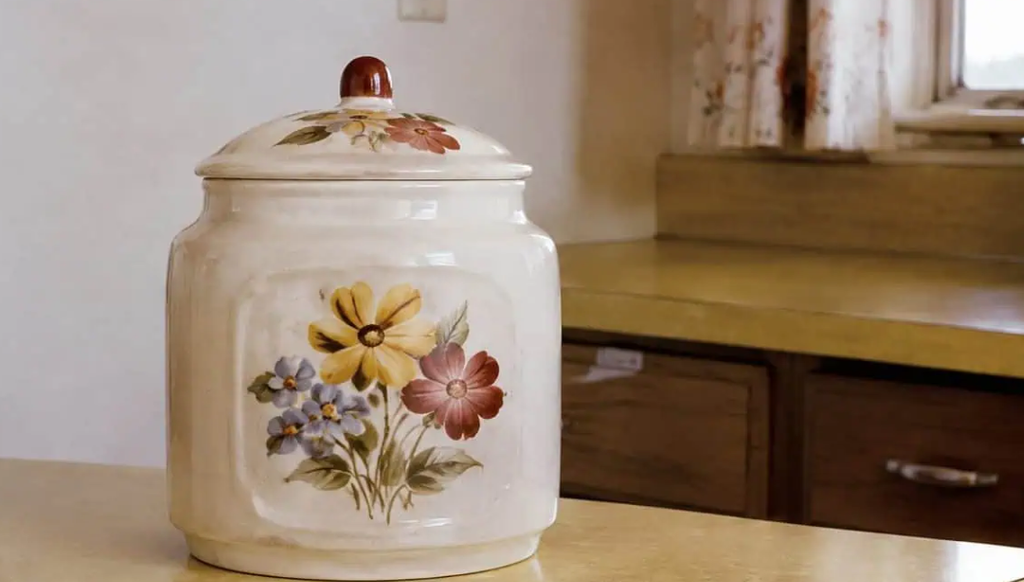
Fishing equipment can become collectible even when it has not been used for years. Old fishing lures appeal to enthusiasts who appreciate their craftsmanship, unusual paint patterns, and connections to the history of recreational fishing.
Vintage examples from manufacturers such as Heddon and Creek Chub may be worth researching, particularly when they have distinctive designs or original packaging.
What makes them valuable?
- Rare models and color combinations.
- Early manufacturer markings.
- Original boxes and paperwork.
- Unused or well-preserved condition.
Exceptional lures can sell for hundreds or thousands of dollars, though most do not reach the highest prices sometimes reported in collector stories.
Keep original packaging together with the lure. Avoid repainting, polishing, or replacing hooks until you have established whether the item has collector value.
15. Vintage Perfume Bottles
An old perfume bottle on a dressing table or tucked inside a vanity drawer may have collectible appeal, even if the fragrance has evaporated. Some bottles are valued for their glasswork, while others are desirable because of the designer, brand, or rarity of the original presentation.
Collectors may investigate bottles associated with Lalique, Chanel, and Guerlain, among other well-known names.
What makes them valuable?
- Recognized makers and designers.
- Unusual glasswork or limited-edition designs.
- Original labels, stoppers, and packaging.
- Excellent condition and verifiable authenticity.
Certain rare perfume bottles can sell for hundreds or thousands of dollars. However, ordinary empty bottles generally sell for much less, and a prestigious brand name alone does not guarantee a high price.
Inspect the base, stopper, labels, and any maker’s marks. Handle delicate glass carefully, and avoid washing away labels or decorative details before researching the bottle.
How to Find Out What Your Parents’ Old Items Are Really Worth
Discovering a possible collectible is only the first step. Before selling anything, take time to establish what it is and what buyers are actually willing to pay.
1. Identify the Exact Item
Look for maker’s marks, model numbers, dates, signatures, serial numbers, and other identifying details. Small differences between similar products can have a significant effect on value.
2. Check Recently Sold Listings
Search completed sales on reputable auction websites and resale marketplaces. Compare items with the same model, pattern, edition, or condition. Asking prices are not proof that an item will sell for that amount.
3. Evaluate the Condition Honestly
Original parts, intact packaging, clean labels, and minimal damage can improve desirability. On the other hand, cracks, missing accessories, repairs, and heavy wear may lower the price.
Do not automatically restore or clean an item before researching it. Some restoration methods can damage the finish or remove features collectors value.
4. Consider a Professional Appraisal
If an item appears rare or has potentially significant value, consult a specialist who understands that particular category. For especially valuable pieces, consider getting more than one opinion.
Ask about appraisal fees, selling commissions, and whether the expert has any financial interest in buying the item.
5. Compare Selling Options
Depending on the collectible, possible selling channels include specialist auction houses, reputable antique dealers, collector communities, and online marketplaces. Each option has different fees, audiences, and levels of convenience.
6. Keep Family History and Documentation
Original receipts, old photographs, manuals, certificates, and family stories can help establish an item’s history. They may not automatically increase its price, but useful documentation can support identification and provenance.
Final Thoughts
Your parents’ house may hold more than old furniture and forgotten belongings. Vintage Pyrex, classic cameras, collectible toys, antique books, vinyl records, and unusual household accessories can all be worth investigating before a major cleanout.
Still, the most important lesson is to research before selling. Rare examples can command impressive prices, but ordinary versions of the same items may be worth only a modest amount. Condition, authenticity, scarcity, and actual buyer demand make the difference.
The next time you open an old cupboard or storage box, take a closer look. Something that seems like an everyday object might turn out to be a fascinating piece of history—and perhaps a valuable collectible.
Disclaimer: All collectible values depend on the specific item, authenticity, condition, market demand, and recent comparable sales. Exceptional auction results should not be treated as typical prices or guaranteed resale values.