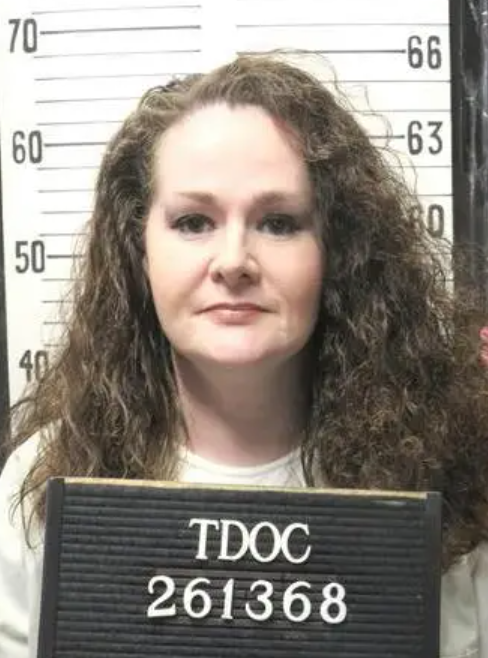
Christa Pike Story
On September 30, 2026, a scheduled execution in Tennessee became an extraordinary and deeply controversial event.
Christa Gail Pike, who had been sentenced to death for the 1995 murder of her classmate Colleen Slemmer, was administered two doses of the lethal-injection drug pentobarbital at Riverbend Maximum Security Institution in Nashville.
But Pike did not die.
Witnesses reported that she continued breathing and making sounds described as snoring long after the injections had been administered. She was eventually taken from the prison by ambulance rather than being pronounced dead in the execution chamber. AP News
The incident has raised serious questions about Tennessee’s execution procedures, medical care during executions, and the broader debate over the death penalty.

Who Is Christa Pike?
Christa Pike was 18 years old when she participated in the 1995 killing of 19-year-old Colleen Slemmer, a fellow student in Tennessee.
According to court records and reporting on the case, Pike and others lured Slemmer into a wooded area, where she was tortured and killed. Pike was subsequently convicted of first-degree murder and sentenced to death. People.com
The case remained in the courts for decades.
Pike eventually became the only woman on Tennessee’s death row. Her scheduled execution in 2026 also carried historical significance because, had it been completed, she would have been the first woman executed by Tennessee in more than 200 years. Death Penalty Information Center
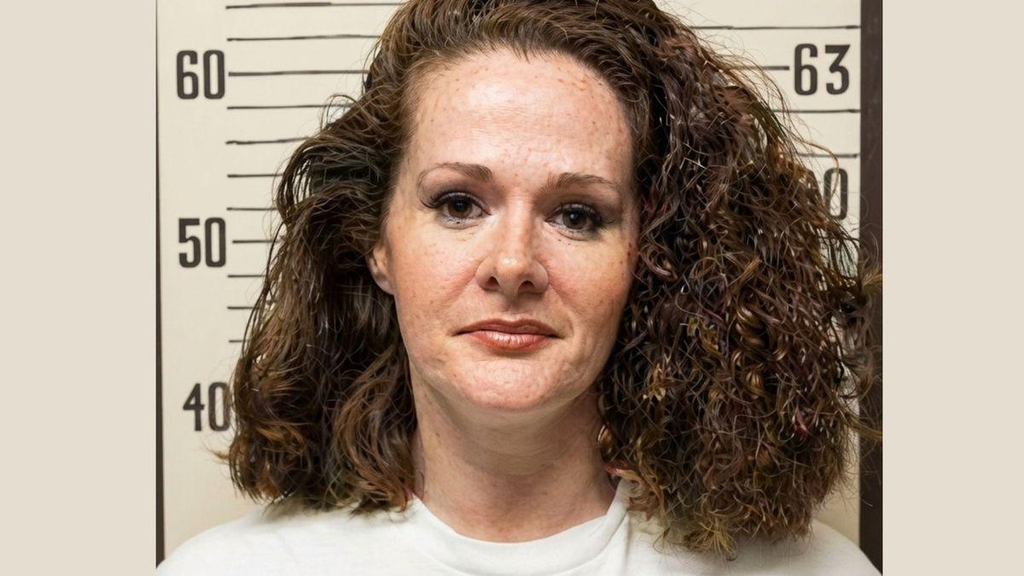
Her legal team had challenged the state’s execution protocol and raised concerns about medical issues, including difficulty accessing her veins. Those concerns became particularly significant after what happened inside the execution chamber.
The Execution Was Scheduled for September 30, 2026
Pike’s execution date had been formally set for September 30, 2026.
On the day of the execution, the case went through another dramatic legal development. A federal appeals court temporarily halted the execution, but the U.S. Supreme Court later allowed Tennessee to proceed. ABC News
That evening, Pike was placed on the execution gurney at Riverbend Maximum Security Institution.
She was reportedly calm enough to deliver a final statement before the procedure began. According to the Associated Press, she said she was ready to be free and described the day as a happy one. AP News
What followed, however, was anything but routine.
Two Doses of Lethal Injection Were Administered
Tennessee’s protocol called for pentobarbital to be used in the execution.
According to witness accounts, the first dose did not result in Pike’s death. Officials then proceeded with a second dose under the state’s protocol. AP News
The extraordinary part came afterward.
Pike continued breathing.
Witnesses reported hearing sounds described as snoring from inside the execution chamber. She was also reported to have moved during the process and complained that her arm hurt. AP News
The execution, which was expected to conclude relatively quickly, instead continued for more than an hour.
Witnesses Heard Pike Breathing and Snoring
The details reported by witnesses are among the most striking aspects of the failed execution.
After the curtains separating the witnesses from the execution chamber were closed, witnesses could still hear Pike breathing. The sounds reportedly continued for an extended period.
The Associated Press reported that she appeared to lose consciousness at some point but continued making sounds resembling snoring. Her breathing could reportedly be heard even after the second dose had been administered. AP News
Her survival was not merely a technical failure in which the drugs were never administered. Reports indicate that two doses of the execution drug were given, yet Pike remained alive.
The Death Penalty Information Center described the episode as an unprecedented failure in the modern U.S. execution system. Death Penalty Information Center
Why Did the Execution Fail?
This is one of the biggest unanswered questions.
Tennessee officials said the Department of Correction followed the state’s established execution protocol. However, the department did not publicly provide a definitive explanation for why the procedure failed. Tennessee State Government
Pike’s attorneys have pointed to several concerns that they had raised before the execution.
Among them were:
- Difficulty accessing Pike’s veins
- Problems involving the IV
- Concerns about the execution drug
- Questions about emergency medical care
- Concerns about the secrecy surrounding Tennessee’s execution protocol
Her attorneys argued that problems they had warned about before the execution ultimately became reality. Death Penalty Information Center
At this point, however, it is important to distinguish allegations from established findings. Tennessee officials have said their personnel followed the approved procedure, while an independent review was ordered to determine what went wrong.
Pike Was Taken to a Hospital
As the situation continued, Pike’s attorneys pushed for medical intervention.
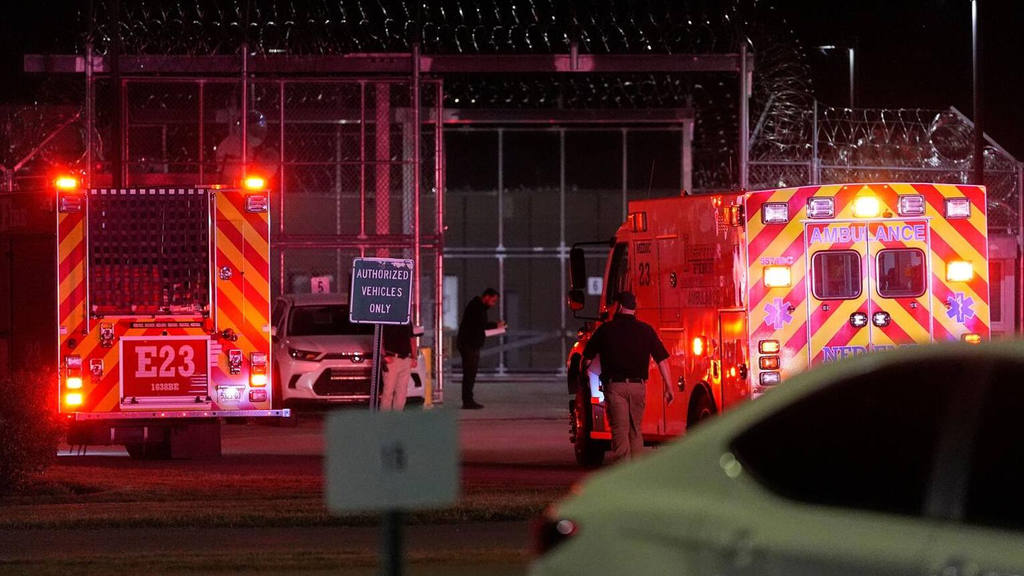
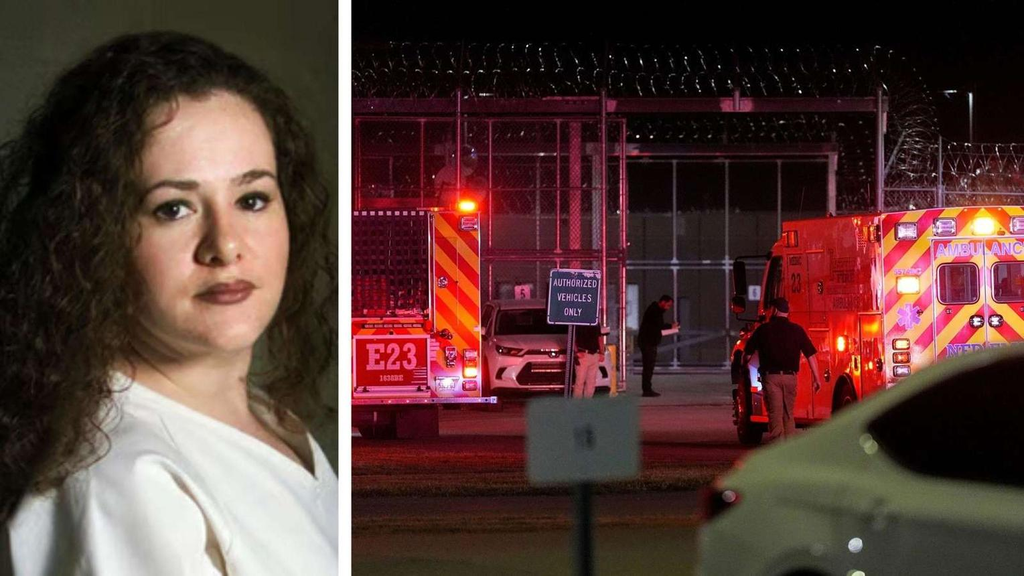
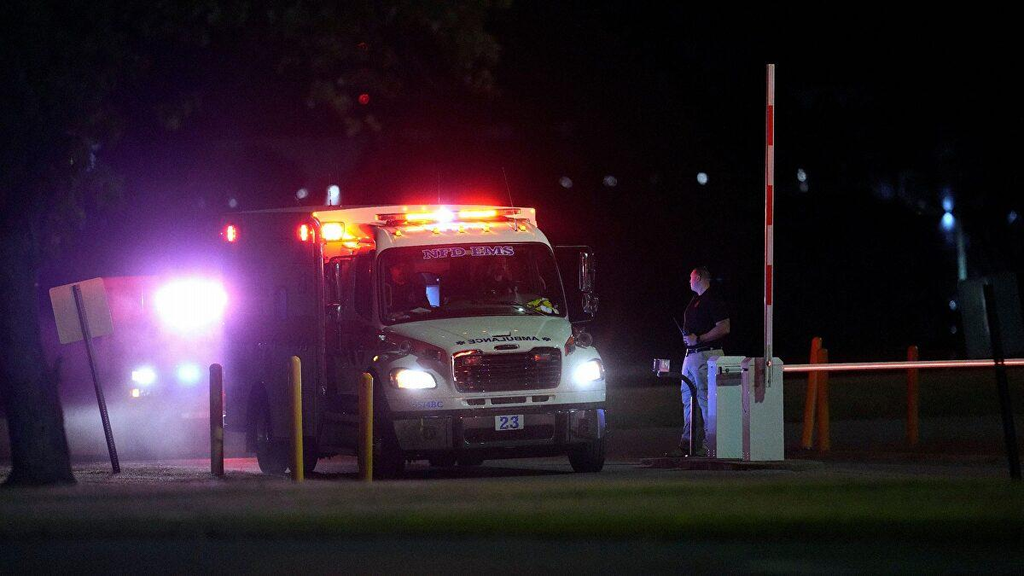
Emergency vehicles eventually arrived at Riverbend Maximum Security Institution, and Pike was transported to a hospital by ambulance. AP News
That image — an ambulance leaving the prison after a scheduled execution — captured the extraordinary nature of the event.
Instead of leaving the facility after an execution, Pike left alive and required medical treatment.
What Happened to Pike After the Failed Execution?
The latest publicly reported medical information available in the sources reviewed for this article said Pike was in critical condition and receiving intensive medical care.
Her attorneys later said she was unconscious and on a ventilator. Reports also described serious complications involving her arms following the injections. The Washington Post
As of October 5, the Death Penalty Information Center said there had been no new public information about her condition. Death Penalty Information Center
That means readers should be cautious with social-media posts or headlines claiming to know Pike’s current medical status unless they cite a new statement from her attorneys, hospital representatives, or state officials.
Tennessee Paused Executions After the Incident
The failed execution immediately had consequences beyond Pike’s case.
Tennessee Gov. Bill Lee announced that the state’s remaining executions for 2026 would be paused and ordered an independent review of what happened. Reuters
The decision came after another troubled execution process in Tennessee earlier in 2026 involving death-row prisoner Tony Carruthers. In that case, officials were unable to establish a suitable IV line, and the execution did not proceed. People.com
The two incidents have prompted renewed scrutiny of Tennessee’s execution procedures.
Why the Case Has Sparked a Bigger Death-Penalty Debate
Pike’s case has become more than a story about one failed execution.
It has reignited a longstanding debate about whether governments can reliably carry out lethal injections while ensuring that executions meet constitutional and ethical standards.
Supporters of capital punishment argue that people convicted of especially serious crimes should face the sentences imposed by courts. Critics argue that botched executions demonstrate the risks and moral problems associated with attempting to kill someone through a state-controlled procedure.
The Pike case has intensified both sides of that argument.
Some Tennessee lawmakers have already discussed whether the state should expand or reconsider alternative execution methods following the failure. AP News
A Case That Raises Difficult Questions
The Pike case is difficult because it involves two separate realities.
One is the suffering and loss experienced by Colleen Slemmer and her family. Slemmer’s mother attended the attempted execution and later expressed frustration that the sentence had not been carried out. AP News
The other concerns what happened to Pike inside the execution chamber and whether the state carried out its responsibilities properly.
Acknowledging questions about the execution does not erase the seriousness of Slemmer’s murder. Likewise, recognizing the victim’s suffering does not prevent legitimate questions about how a government executes a death sentence.
That tension is at the center of the controversy.
What Happens Next?
Several questions remain unresolved.
1. What caused the lethal injection to fail?
An independent review is expected to examine the procedure, equipment, medication, staffing and other circumstances surrounding the attempted execution.
2. What is Pike’s long-term medical condition?
Public information about her health has been limited, and the most recent widely reported updates described her as critically ill.
3. Can Tennessee attempt another execution?
That question could involve further litigation, investigations and potentially decisions by Tennessee courts and state officials.
4. Will Tennessee change its execution protocol?
The failed execution has already generated calls for changes to how the state carries out capital punishment. AP News
Final Thoughts
Christa Pike’s attempted execution will likely remain one of the most unusual cases in the modern history of American capital punishment.
Two doses of lethal-injection drugs were administered, yet Pike remained alive. Witnesses heard her breathing and making sounds described as snoring, and she was ultimately transported to a hospital rather than leaving the prison after an execution. AP News
The incident has now prompted an investigation and a temporary halt to executions in Tennessee.
Whatever conclusions emerge from that review, the case has already forced a difficult question into the public spotlight: when a state imposes the ultimate punishment, what responsibility does it have to ensure that the procedure is carried out safely, lawfully and humanely?
For now, that question remains unanswered.